Best Driving School Sale
Best Driving School in Sale for Beginners
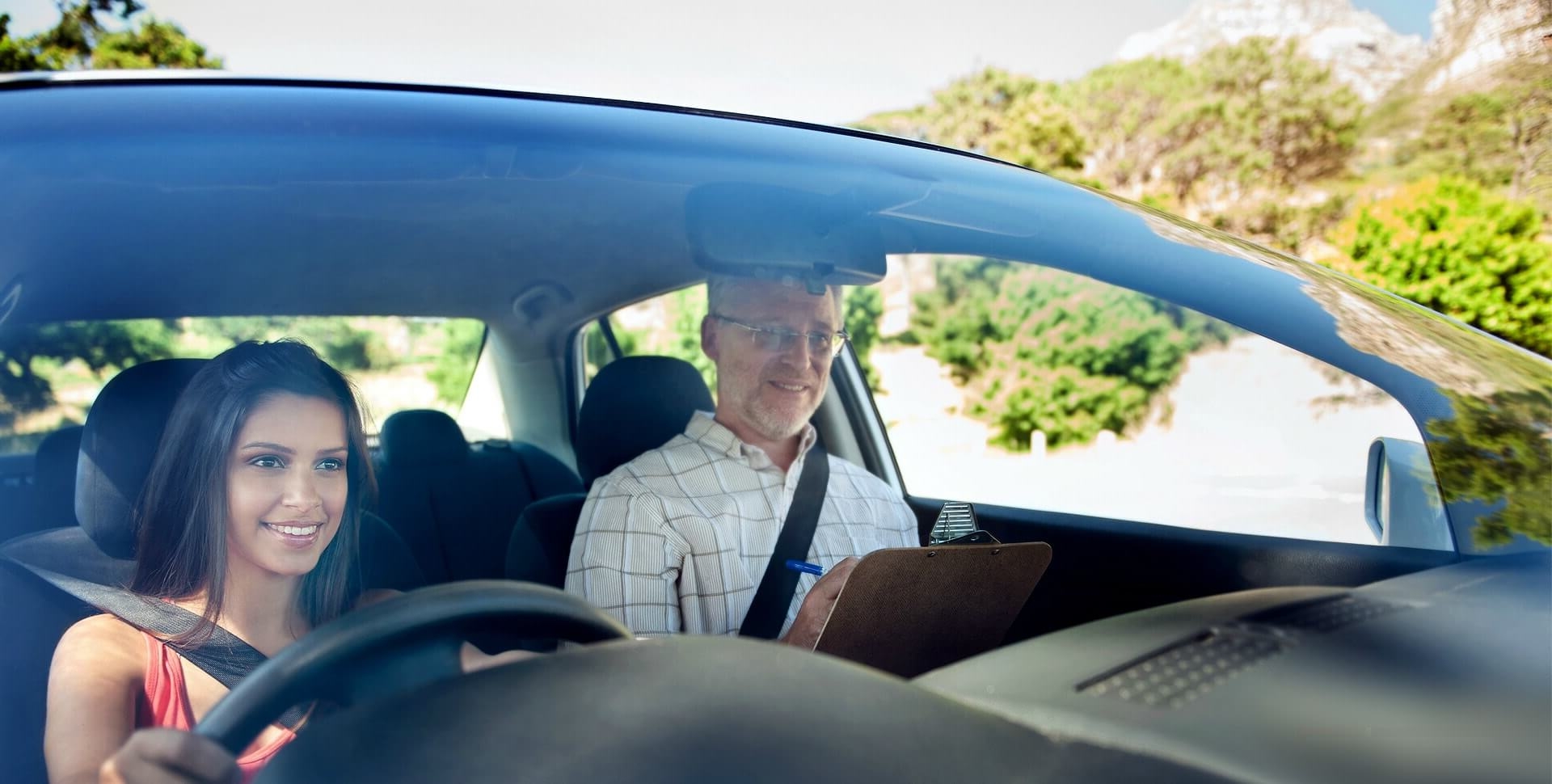
Looking for the best driving school in Sale to start your driving lessons? Choosing the right instructor can make a big difference to your confidence, progress and overall experience of learning to drive.
At GP Driving School Sale, we provide structured, one-to-one driving lessons in Sale for complete beginners and learners with previous experience. With manual and automatic tuition available, lessons are adapted around your ability, confidence and individual learning needs.
Our goal isn’t simply to help you pass your driving test. We want you to develop the skills, judgement and confidence needed to become a safe and independent driver for life.
What Should You Look for in a Driving School in Sale?
A good driving school should offer much more than simply teaching you how to complete the exercises required on a driving test.
When choosing a driving instructor in Sale, look for professional tuition that helps you develop:
- Safe vehicle control
- Effective observations
- Awareness and anticipation
- Forward planning
- Safe judgement and decision-making
- Confidence in different traffic situations
- The ability to drive independently
Your lessons should also have a clear purpose. You should understand what you’re working on, why it matters and what you need to improve next.
Learn with a Qualified Driving Instructor in Sale
Anyone charging for driving instruction must be legally entitled to do so.
Fully qualified Approved Driving Instructors (ADIs) display a green badge, while licensed trainee driving instructors (PDIs) display a pink badge.
At GP Driving School, we offer tuition through our team of driving instructors, with lesson options depending on instructor availability in your area.
When you contact us, we’ll help you find a suitable instructor and lesson option for your requirements.
Manual or Automatic Driving Lessons in Sale?
🚗 Manual Driving Lessons Sale
Our manual driving lessons in Sale help you develop clutch control, gear selection and vehicle control alongside the observation, planning and decision-making skills required for everyday driving.
Passing your test in a manual car normally allows you to drive both manual and automatic cars.
⚙️ Automatic Driving Lessons Sale
With automatic driving lessons in Sale, there’s no clutch pedal or manual gear changing to manage.
This allows some learners to concentrate more of their attention on observations, positioning, planning and what’s happening around them.
Why Local Driving Experience in Sale Matters
Learning with an instructor who regularly provides driving lessons around Sale allows your training to include a varied selection of local road and traffic conditions.
Depending on your ability, lessons may take you through Sale and surrounding areas including Sale Moor, Brooklands, Stretford and Altrincham.
As you progress, you’ll experience different types of junctions, roundabouts, residential roads, busier routes and higher-speed roads.
However, good driving tuition shouldn’t teach you to memorise test routes.
We want you to develop the skills to approach an unfamiliar road or situation, recognise what’s happening, assess the risk and make an appropriate driving decision independently.
Driving Lessons Designed Around You
There isn’t one lesson plan that works for every learner.
Some pupils have never driven before. Others already have experience or may be returning to driving lessons after a break.
Your instructor should therefore adapt the level of support according to what you actually need.
🎯 Your Goals
Lessons should have a clear goal based on your current ability and what you need to develop.
📈 Your Progress
As your ability improves, the amount of help you receive should gradually reduce.
🚘 Independence
The aim is for you to make safe driving decisions without relying on your instructor for prompts.
How Do We Measure Your Driving Progress?
Learning to drive isn’t simply about completing a list of subjects.
You may be able to turn right at a junction correctly once, but that doesn’t necessarily mean you can do it safely and consistently in different situations.
At GP Driving School, learners work towards developing greater independence across the skills needed for everyday driving.
As you improve, you’ll progress from initially learning a skill towards being able to perform it safely and independently, understand why it matters and reflect on your own performance.
This helps both you and your instructor identify what you’re doing well and what needs further development.
Patient Driving Lessons for Nervous Learners
It’s completely normal to feel nervous when learning to drive.
A good driving instructor should adapt the lesson to your confidence and experience rather than putting unnecessary pressure on you.
If you’re struggling with something, your instructor can change the level of support, demonstrate a technique, break the skill into smaller stages or provide additional practice before increasing the difficulty.
Equally, when you’re ready for more responsibility, your instructor should allow you to make more of your own decisions.
How Much Are Driving Lessons in Sale?
Price is naturally important when choosing a driving school in Sale, but the cheapest hourly rate doesn’t necessarily mean the lowest overall cost of learning.
Lesson quality, consistency, instructor availability and how effectively your lessons are structured can all affect how much tuition you eventually need.
GP Driving School offers individual lessons and block-booking options, with prices depending on the lesson type and instructor.
View Our Driving Lesson Prices →
Preparing for Your Driving Test
As you approach test standard, the focus of your lessons should increasingly move towards consistent and independent driving.
You should be capable of dealing safely with different roads and situations without relying on continuous assistance from your instructor.
Preparation may include:
- Independent driving
- Following a sat nav
- Following road signs
- Parking and reversing exercises
- Dealing with unfamiliar roads
- Responding to developing hazards
- Managing more complex traffic situations
Mock Driving Tests in Sale
A mock driving test can be useful once you’ve developed the skills to drive independently with minimal assistance.
Rather than simply producing a pass or fail result, a good mock test should identify patterns in your driving and highlight anything that still needs development before your practical test.
Find Out About Our Mock Driving Tests →
Driving Lessons in Sale and Surrounding Areas
GP Driving School provides manual and automatic driving lessons in Sale and surrounding South Manchester areas, subject to instructor availability.
Sale Moor
Brooklands
Altrincham
Stretford
Urmston
Frequently Asked Questions About Driving Lessons in Sale
Do you offer manual driving lessons in Sale?
Yes. GP Driving School provides manual driving lessons in Sale and surrounding areas, subject to instructor availability.
Do you offer automatic driving lessons in Sale?
Yes. Automatic driving lessons are also available. Contact us with your postcode and we’ll check current instructor availability.
I’m a complete beginner. Can I learn with GP Driving School?
Yes. We welcome complete beginners. Your instructor can introduce the car controls and basic driving skills gradually before progressing to more challenging roads and traffic situations.
How many driving lessons will I need?
There is no fixed number that applies to every learner. How quickly you progress will depend on factors including your previous experience, ability, lesson frequency, confidence and any suitable private practice you complete.
Can I change to GP Driving School from another instructor?
Yes. If you’ve already had driving lessons elsewhere, your instructor can assess your current ability and identify the most appropriate areas to work on next.
Do you offer driving test preparation?
Yes. If you already have a practical test booked, contact us as early as possible so we can check instructor availability and assess your current driving standard.
So, What Is the Best Driving School in Sale for a Beginner?
The best driving school in Sale isn’t simply the cheapest or the one promising to get you through your test as quickly as possible.
Look for a school that provides professional tuition, reliable lessons, appropriate levels of support and a clear way of measuring your progress.
Most importantly, your driving lessons should help you develop the confidence and decision-making skills needed to drive safely without your instructor sitting next to you.
That’s what learning to drive is ultimately about.
Ready to Start Driving Lessons in Sale?
Whether you’re a complete beginner, changing instructors or looking for manual or automatic driving lessons, contact GP Driving School Sale and we’ll check current availability in your area.